
Notes from the field
A clinical platform that respects the clinician's day
Health and AYUSH systems where the data is sensitive, the terminology must be authoritative, and nothing clinical can be invented — built sovereign and standards-bound.
- Healthcare
- AYUSH
- Interoperability
- Compliance
Field note
Healthcare & Life Sciences
A platform that respects the clinician's day
Authoritative, safe, and standards-bound by design.
Clinical software lives or dies on two things: whether it fits the clinician’s workflow, and whether you can trust what it says. In Indian health and AYUSH settings that second test is unforgiving — the terminology has to be authoritative, the data is among the most sensitive there is, and the system has to speak to national digital-health rails.
What we walked into
A clinical operations platform spans many modules — intake, encounters, orders, records — across multiple roles, and has to interoperate with national identity and health rails. For AYUSH specifically, clinical content can’t be improvised: it must trace to authoritative terminology and standards. And every byte of it is personal health data, governed by the DPDP Act.
What we did
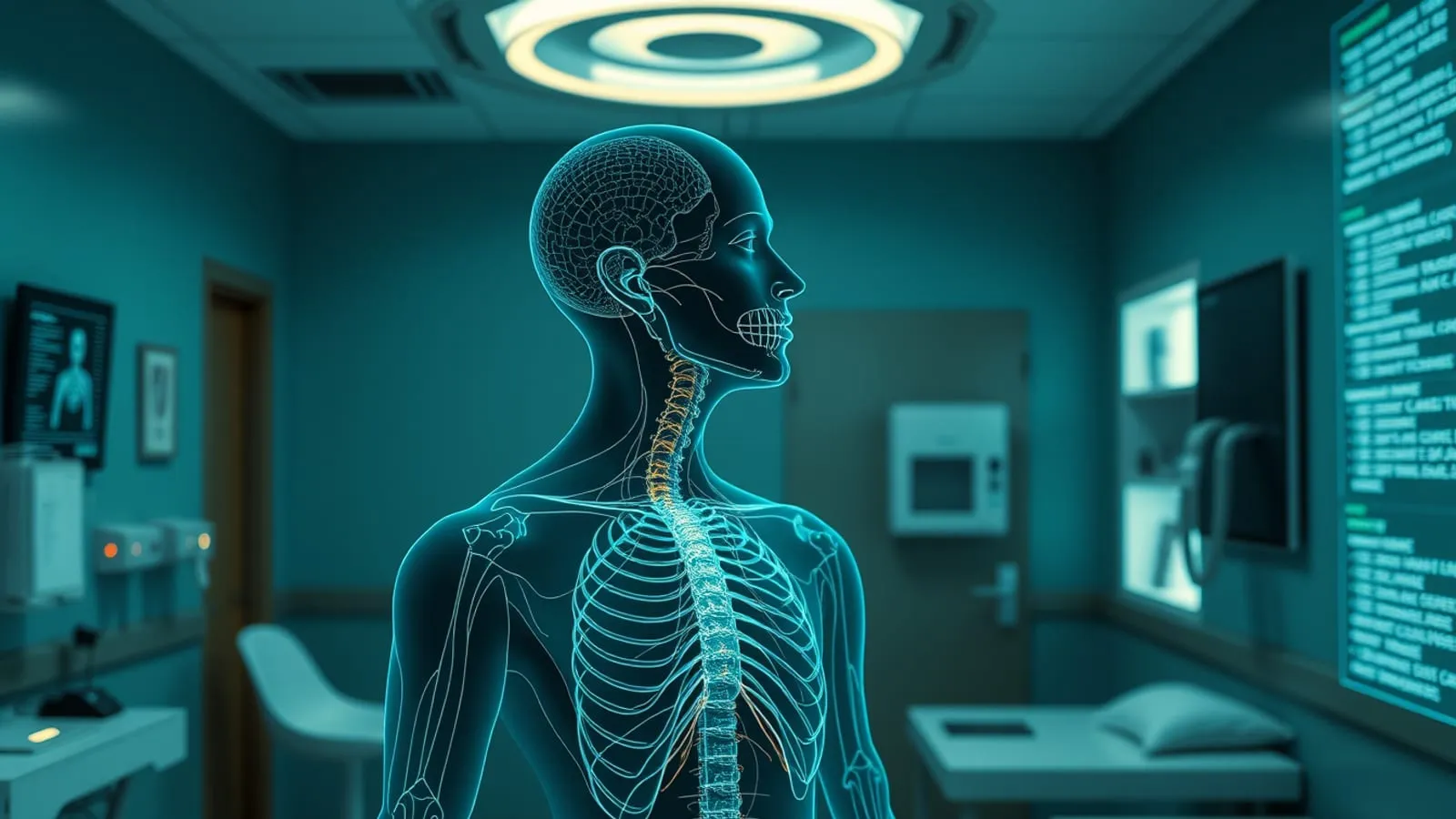
We built it as a set of focused modules over a shared spine, with three commitments baked in. Terminology is bound, not typed: structured fields map to authoritative code systems (NAMASTE/SAT for AYUSH, with SNOMED CT and ICD-11 TM2 crosswalks), so a diagnosis is a coded concept, not free text. Clinical content is grounded: SOP forms trace back to recognised authoritative bodies — never invented by a model. And body-region capture is image-independent: an addressing scheme records where on the body in a stable, precise way that survives a change of illustration.
What made it work
- Terminology-bound forms — coded concepts (NAMASTE/SAT · SNOMED CT · ICD-11 TM2), not loose text.
- Grounded clinical content — SOPs trace to authoritative sources; nothing fabricated.
- Image-independent body addressing — precise anatomical capture, illustration-agnostic.
- Standards-ready interoperability — designed for national identity and health rails.
- DPDP-by-design — consent, purpose limitation, and data-subject rights from day one.
Why we built it this way
Clinical safety makes grounding and coded terminology non-negotiable — an unsourced clinical claim is a liability, not a feature. Compliance makes DPDP-by-design and consent a precondition, not a later sprint. Interoperability with public health infrastructure is what keeps the platform from becoming another island. And because patient data is involved, sovereignty isn’t a preference — it’s the floor.
Building something like this?
We'd rather talk specifics than slogans. Tell us what you're trying to build.
Talk to us